



So you’re thinking about starting a nursing blog, eh? Well, I’m all for it. In this blog post, we will talk about why you should create and write a blog, how to write a nursing blog, and blogging tips that I have for fellow nurses. Let’s get started!
Disclaimer: This post may contain affiliate links. If you click on them, I may earn a commission, at no additional cost to you. See my disclaimer page for more information.
Why you Should Start a Nursing Blog
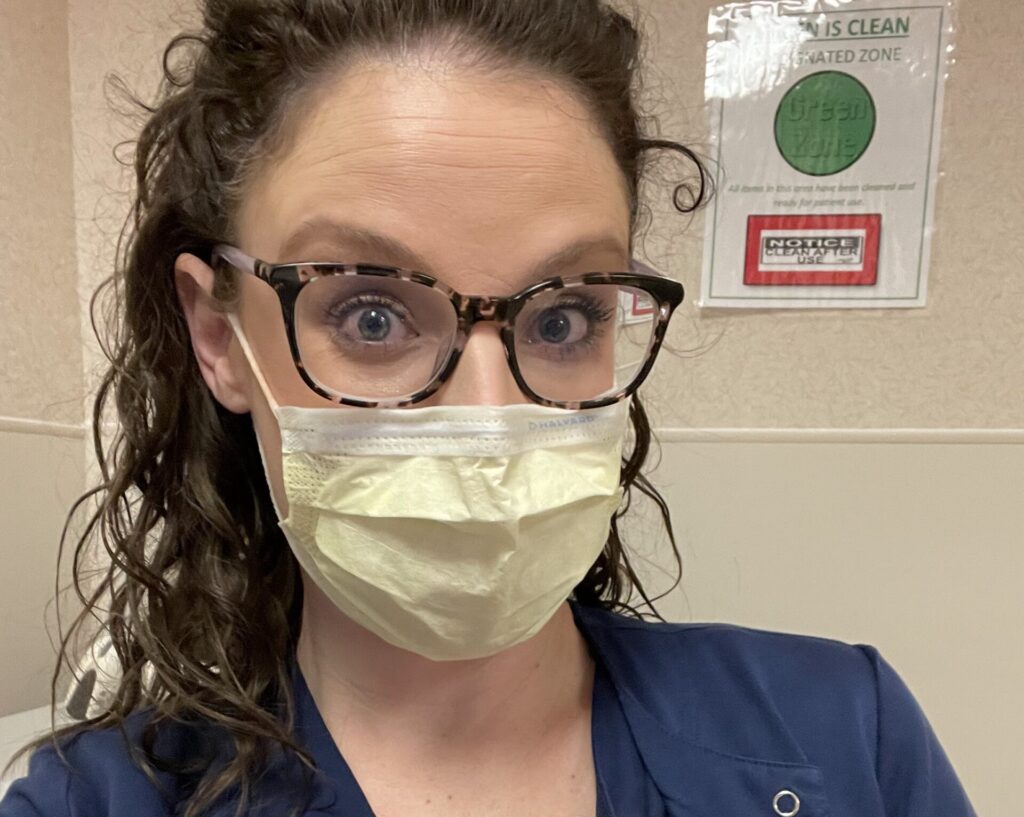
Working in the ICU can be intense. Don’t get me wrong, I love it, but it can be intense. At times, it is super busy, because I may be the only thing standing between my patient and death. Sometimes I win the fight against death, sometimes I lose. Either way, it provokes alot of emotions.
I see death alot in the ICU. That’s not me complaining or bragging. I’m telling you this because sometimes my job can feel HEAVY, and I need a way to decompress. Even if you don’t work in the ICU, you may find yourself needing the same. Blogging does just that for me.
Blogging isn’t so serious as life or death, but it is still something I can do to help others (which is honestly my favorite thing to do). Here are some reasons why you should start a nursing blog.
1. Share your Nursing Expertise
Nurses are to education like peanut butter is to jelly. With a nursing blog, you can reach a broader audience and you can further educate your patients and their caregivers about disease processes, medications, and alternative treatments. Heck, you may even help educate fellow nurses or nursing students.
Your blog can be the source for easy-to-understand healthcare advice, tips for managing chronic illnesses, and general wellness tips.
You can also blog to inspire and motivate others with your nursing stories.
2. Create a Side Hustle to Make Money
Say whaaaat? Yes, you can create a side hustle with your blog. Possible monetization strategies include:
- affiliate marketing: affiliate marketing allows bloggers and content creators to earn a commission by recommending affiliate products to earn money if the reader purchases the recommended product through the affiliate link.
- advertising: placing ads for people to click on/purchase from on your website.
- sponsored posts: collaborating with brands to write a blog post and promote one of their products, in exchange for payment.
- coaching services: this can be nursing related, or something unrelated, like “how to start a blog”
- email marketing: grow an email marketing subscriber list to further your connection with your readers and promote sales of digital products/services via email. Speaking of email marketing, sign up for my list and get access to my Blog Business Starter Vault sent right to your inbox. It’s a curated collection of FREE digital products that you can use in your own business. Just fill out the form below.
3. Become an Advocate for the Nursing Profession
You can use your blogging platform to shed light on challenges in nursing, misconceptions in nursing, and even healthcare reform.
4. Develop New Skills
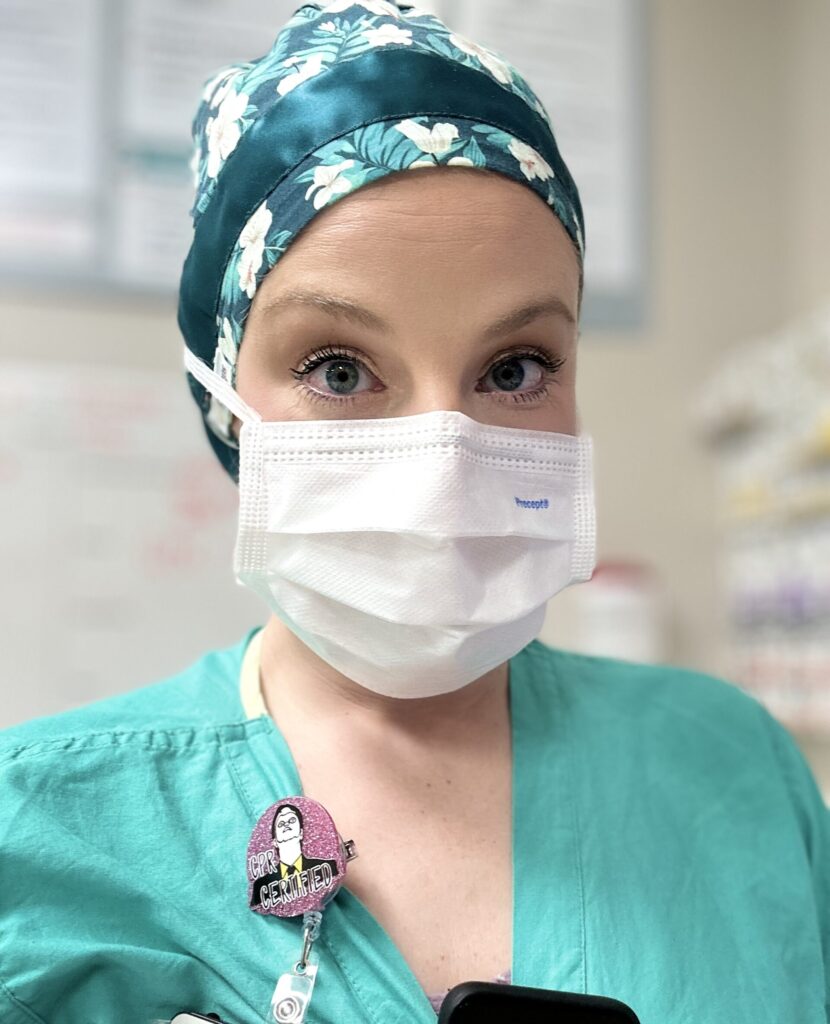
I love learning new things, whether it has to with nursing or not. When I started blogging, I researched to the best hosting platform for my website, how to create a website that I actually liked to look at, and how to get traffic to my website. I also taught myself some graphic design, typography, and CSS code. It satisfied my thirst for knowledge, but had nothing to do with taking care of other people and it felt almost freeing to me.
That’s not to say that I don’t love taking care of people, but every nurse has to find a way to fill their own cup, in order to keep giving yourself to others. Blogging, digital marketing, and graphic design is how I fill my cup, so I can be the best nurse possible.
5. Open Doors to New Opportunities
Your blog can be a gateway to collaborate with brands (like with sponsored posts), publish books or articles, teach courses, and start a side hustle like I mentioned above. Now let’s talk about how to actually write this nursing blog.
How to Write a Nursing Blog
1. Determine you Target Audience
Think about who you want your target audience to be. Do you want to write to fellow nurses? Nursing students? Patients? Caregivers?
It’s important to decide who you are writing to and write to that group consistently if you want to get traffic to your website. An unclear target audience is going to confuse your readers, making them leave your website, and its going to confuse search engine results, making your website harder to discover.
A good way to find the target audience you want to focus on, is to meet FRED.
Take time to determine the Fears, Results, Expectations, and Desires of your target audience. An example of FRED if your target audience is fellow nurses might be:
F: lack of knowledge or confidence in a specific disease process or population, feeling burnt out with professional responsibilities, concern about being stuck in the same role without opportunities for growth, and fear of judgment by colleagues or patients for the care provided.
R: easy-to-implement tips for patient care, stress reduction, time management, feeling understood by others who have shared similar experiences, strategies to improve patient care, and tips on side hustles or transitioning into better-paying roles.
E: actionable steps to improve their work, up-to-date content that resonates with daily struggles of nurses, and real-life, authentic nursing stories.
D: inspiration to keep going, especially during tough times, career advancement information, learning new techniques or approaches to patient care, alternate income streams, and professional fulfillment.

2. Define your Nursing Niche
Determine if you want your nursing blog to have a clinical focus, include career advice, or patient education. If your nursing blog is geared more toward clinical focus or patient education, decide what specialty you want to focus on-whether it’s emergency medicine, critical care, pediatrics, obstetrics, gerontology, etc.
3. Set up your Nursing Blog for Success
Some tips and tricks to make sure your nursing blog is successful include:
- One of the most important things you can do to ensure the success of your nursing blog is to post consistently. How often doesn’t really matter. Find a posting schedule that fits your lifestyle and stick with it. Even if you only post every other week, make sure you show up every other week! Something that helps me stay consistent is creating an editorial calendar ahead of time, so I don’t waste what little time I have to write a blog post, trying to brainstorm topic ideas. It’s already done for me!
- Prioritize value over quanity. Along those same lines, it’s not about the quantity that you post. What is more important is the value you provide to your audience. VALUE > QUANTITY
- Write in a conversational tone. Write your blog as if you were talking to a friend, in a conversational and friendly tone. It will help you seem more relatable and will help your readers connect with you.
4. Nursing Blog Posts
Choose blog post topics that are relevant to your audience and use your real-world expereinces to decide on relatable content.
5. Monetize your Nurse Blog
- Affiliate Marketing: Affiliate marketing allows bloggers and content creators to earn a commission by recommending affiliate products to earn money if the reader purchases the recommended product through the affiliate link. Affiliate marketing is beneficial for both parties because the blogger earns income and the reader learns about your personal recommendations that have helped you achieve success (so they can hopefully replicate that success).
- Sponsored Posts: Brands may pay you to post on your blog or social media, promotional content that you have written for their product. They are meant to feel more like content and be less intrusive than advertisements. Brands win with this method because they can cut through the clutter in a crowded online marketplace and say more than with a simple banner ad. You as the copywriter, win because you get paid for the endeavor and hopefully get the brand’s audience to your website as traffic.
- Sell Digital Products: You can also earn money selling products that you created. I love creating digital products (digital planners, digital journals, digital templates), printables, ecourses, and ebooks. Canva is where I go to create most of my digital products, but I also use Apple Keynote, and Google Docs/Sheets.
- Advertisements on the Blog: You can also monetize your blog by including advertisements on your website. It is my opinion though, that ads should not take away from the user experience. Have you ever visited someone’s blog before, or any website for that matter, and all of these pop-up ads come up? If that works for you, great, but personally, pop-up ads really irritate me. You wrote your blog post because you want people to read it, so let them read it! My point is you can use advertisements on your blog, but use them in moderation.
6. Build a Community and Engage with your Audience
Start building your email list now. The best way to do this is offer an opt-in freebie to your readers. Create a free digital product that your readers find valuable and give this to them in exchange for their email address. Like this one:
Once you get people on your email list, don’t just ghost them. Consistently connect with them through regular emails. Did you know, that for every $1 spent on email marketing, the average return is $36? That’s a 3600% ROI! (OptinMonster, 2024).
Also, respond to blog comments and comments on social media. Encourage readers to share their opinions, experiences, and thoughts with you and other members of your community.
7. Promote your Blog in the Nursing World
Join nursing forums and share your posts. You can also guest post for other nursing and healthcare blogs to drive traffic to your own site. When you attend professional nursing conferences, use that time to discover other nurses with blogs and connect with them.
8. Keep up with Nursing Trends
Stay up-to-date on healthcare technology, new patient care practices, and evidence-based practice.
As a nurse with a blog, I’ve got a few blogging tips up my sleeve to share with you.
Blogging Tips for Nurses
1. Format your Blog for Easy Reading
Most people scan blogs for the information they are looking for, rather than reading the whole thing word for word. Following these formatting rules while blogging will make your blog easier to navigate for your readers. You can make it easier for them to scan your post by:
- Using headings and subheadings to break up text. Use only one h1 heading per post (so make your blog post title an h1). The rest of your headings within the blog post can be h2 and h3.
- Don’t write these long ass paragraphs. Nobody is going to read that. Limit your paragraph sizes to 2-3 sentences.
- Break up your text by using bulleted lists, numbered lists, and bold and italic text.
- Use serif fonts for headings (which are larger in size) and use sans-serif fonts for your smaller paragraph font.
- Include related graphics in your blog post to provoke emotion and break up text
2. Learn and Practice SEO
SEO stands for Search Engine Optimization and it is the practice of improving the quality of your website to hopefully rank higher on search engine result pages (SERPs).
Practicing SEO related to your nursing blog might include adding nursing-related keywords (but don’t keyword stuff. By that I mean, don’t add keywords unnaturally, just to try to add a keyword. Google somehow knows when you do this and it doesn’t like it. AKA: it doesn’t favor your blog on search results.) to image alt text, headlines, titles, and throughout your text.

3. Use Storytelling to Make Content Relatable
I took care of a patient during in Covid pandemic in 2020. She didn’t have Covid, but she did have lung cancer that had progressed far enough that she was on a ventilator to breathe, and was unable to get off of it due to her condition.
I got to know and love her, as she wrote me notes to communicate since she couldn’t talk with the breathing tube. Of all the things she had going on with her, she was more concerned about me working in the hospital, because I was pregnant during the pandemic.
The hospital only allowed one visitor at a time due to Covid, so her husband and her teenage daughter switched out visiting the patient. No one else was allowed to come see her, due to hospital policy at the time.
Even though she was only in her 40’s and too young for her grim prognosis, she decided that she didn’t want to live the rest of her life on life support. But before she passed, she decided that she wanted to see the sun one last time. So we wheeled her down in her hospital bed, with the ventilator.
Family and friends gathered with signs to tell her goodbye, since they had to socially distance. And the patient got to feel the sun on her face for the last time. She passed the next day.
Did that story get you in your feels? Because it is a true story. And it’s an example of how you can provoke emotions in your audience, and also relate to other nurses who have experienced similar things.
The key to storytelling on a nursing blog, is to make sure you comply with HIPAA. You already know this, so I’m not going to get into it.
4. Write Valuable Content
Stay Consistent
One of the hardest things, yet most important for you to do to reach success with your blog (whether that is gaining a lot of subscribers or successfully making money from your blog), is to be consistent!
Lord knows I am terrible at this. I work a full-time job and I’m a wife and a mother. When in the fresh hell do I have time to blog? Well, I make time for it because it is something that I enjoy doing, and I use it as a means to de-stress. But even still, I find consistency difficult.
Tips to remain consistent include creating a content calendar ahead of time, so you know what you’re going to write about when you have time to write. Along with this, you should also create a solid content strategy to make sure what you’re posting is going to have the most reach with your audience. I also recommend batch-creating like your Pinterest pins and scheduling them ahead of time to be posted regularly. Ain’t nobody got time to be pinning everyday. I said what I said.
Engage with your Audience
Make sure you respond to any comments on your blog or emails in your inbox from readers. Building your “know, like, and trust factor” will not only help you monetize in the future, but it will make you a reliable source of information for your readers.
Include Evidence-Based Practice
Back up your blog posts and information with evidence-based practice. It will help your readers trust you more and will also reduce the chance for incorrect information to be spread. This may include medical journals, textbooks, or publications from trusted healthcare organizations.
Add CTAs
Add Call-to-Actions to all of your blog posts, and even sprinkle them around your website. Why? To get people to subscribe to your email list. A nurtured email list delivers an impressive return on investment (ROI). 75% of businesses that spend $100 or less per month on email, report an ROI of $21 or more for every dollar spent (GetResponse, 2024).
My example of a CTA is 600+ opt-in freebie ideas that you can create for your own audience to build your email list. If you haven’t signed up for these opt-in freebie ideas, do it now! That’s a CTA, folks.

Hey there! I’m Sarah Grace Vogler, BSN, RN, CCRN, and I know firsthand the joys and challenges of life in scrubs. I started this blog because I believe every nurse has a story worth sharing and skills that can make a difference far beyond the bedside. After figuring out how to turn my own experiences into meaningful content and digital products, I’m here to help you do the same. Whether you want to educate, inspire, or just connect with others who “get it,” I’m cheering you on every step of the way. Let’s make something great together! Love, Sarah Grace
24
Dec


hi
Hi Tommy!